


Soft skills training helps people improve the workplace behaviours that affect how they communicate, lead, collaborate, handle pressure, and make decisions with others.
You see the need for it EVERYWHERE.
A manager gives feedback, and the conversation becomes tense. A team has the right people in the room, yet nobody owns the next step. A technically strong employee presents good work, but the message feels unclear. These are soft skills moments.
I have seen this repeatedly in consulting and corporate training. The professionals who grow fastest are usually the ones who learn how to explain ideas clearly, listen with intent, handle difficult conversations, and bring structure into messy business situations.
That is exactly what soft skills training is designed to build.
In this blog, we will cover:
- What soft skills training means and why it matters at work
- What a strong soft skills training program should include
- How companies can train, reinforce, and measure these skills effectively
Let’s start with the simple definition.
What is Soft Skills Training?
Soft skills training is the structured process of helping employees improve the behaviours they use to communicate, collaborate, lead, solve problems, and work with others.
In simple words, it teaches people how to handle real workplace situations better.
That includes skills like:
- Communication
- Leadership
- Emotional intelligence
- Team collaboration
- Adaptability
- Conflict resolution
- Structured problem-solving
- Stakeholder management
The focus is behaviour, not just knowledge.
I have seen the 15/85 idea play out many times in consulting: technical skills may get someone noticed early, but soft skills drive a huge part of how much trust, influence, and responsibility they earn over time.
The data points in the same direction. LinkedIn’s 2019 Global Talent Trends report found that 92% of talent professionals and hiring managers agree that strong soft skills are increasingly important, while 89% say bad hires typically have poor soft skills.
For example, a manager may already know the right decision for a project. Training helps them explain that decision clearly, handle questions without becoming defensive, and keep the team aligned on what happens next.
That is why strong soft skills training feels PRACTICAL.
It helps employees perform better in meetings, feedback conversations, client updates, stakeholder discussions, and team decisions.
Why Soft Skills Training Matters in the Modern Workplace?
Work has become faster, more hybrid, and more cross-functional.
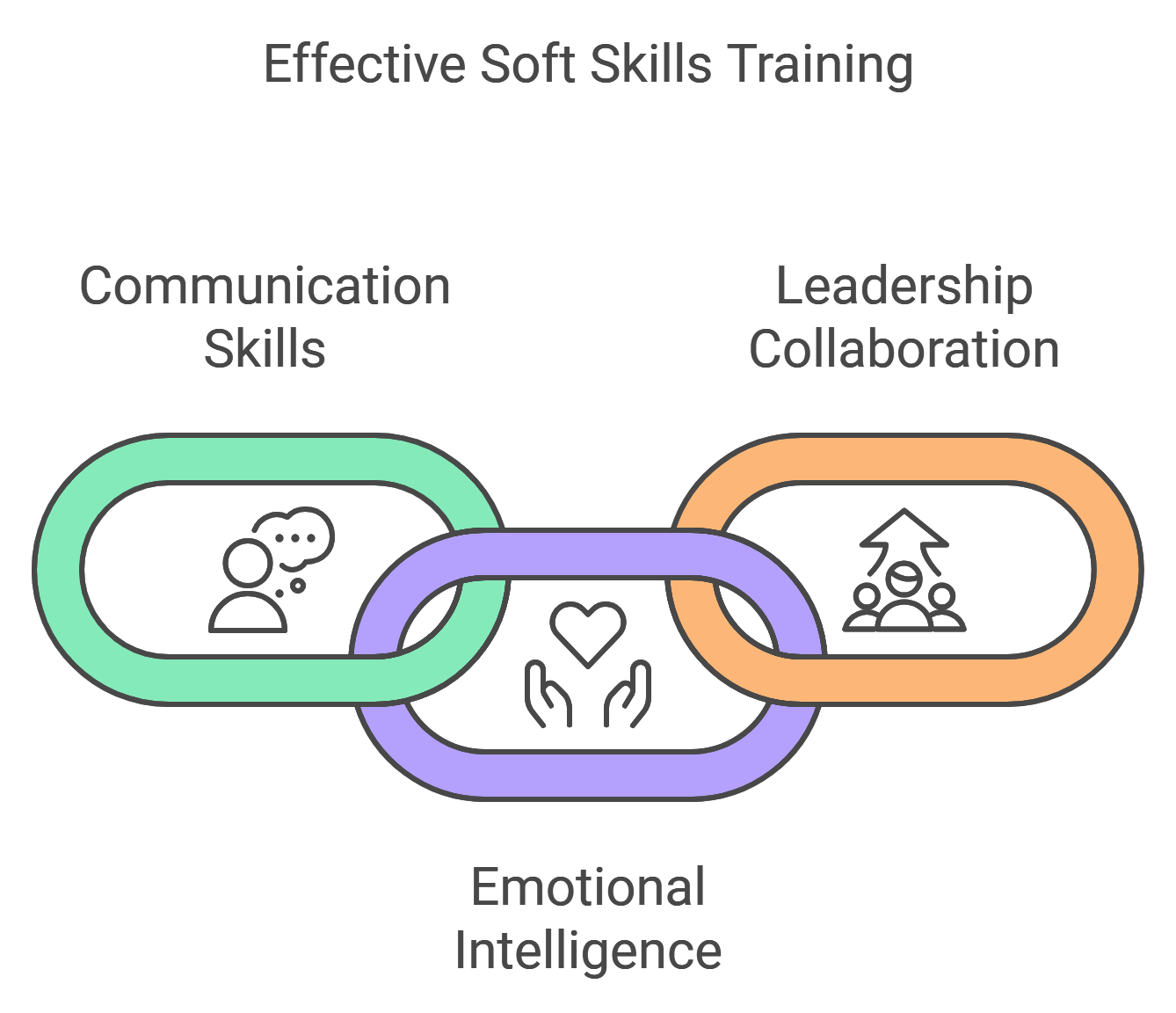
Teams now depend on clearer communication, stronger ownership, and better judgment because people are working across more tools, departments, locations, and priorities.
AI has added another layer.
The 2024 Microsoft and LinkedIn Work Trend Index found that 75% of knowledge workers use AI at work, while 79% of leaders say AI adoption is critical to stay competitive. At the same time, the World Economic Forum’s Future of Jobs Report 2025 says 39% of workers’ core skills are expected to change by 2030.
That means employees need more than technical knowledge. They need adaptability, communication, leadership, active listening, resilience, and the judgment to use new tools well.
I have seen this often in hybrid teams.
A technically strong employee can still slow the work down if their updates are vague, ownership is unclear, or they struggle when priorities change.
| Modern Workplace Shift | What the Data Shows? | Why Soft Skills Training Matters? |
| AI is part of daily work | 75% of knowledge workers use AI at work | Employees need judgment, questioning, and communication skills alongside AI tools |
| Skills are changing fast | 39% of workers’ core skills may change by 2030 | Teams need adaptability, resilience, and continuous learning |
| Information is harder to manage | Atlassian found teams waste 25% of their time searching for answers | Collaboration training helps people share context and clarify ownership |
| Learning affects motivation | LinkedIn says 84% of employees agree learning adds purpose to their work | Training supports growth, engagement, and better workplace performance |
Soft skills training helps employees handle the moments that still need human clarity: meetings, stakeholder conversations, team decisions, feedback, and change.
What Should a Soft Skills Training Program Include?
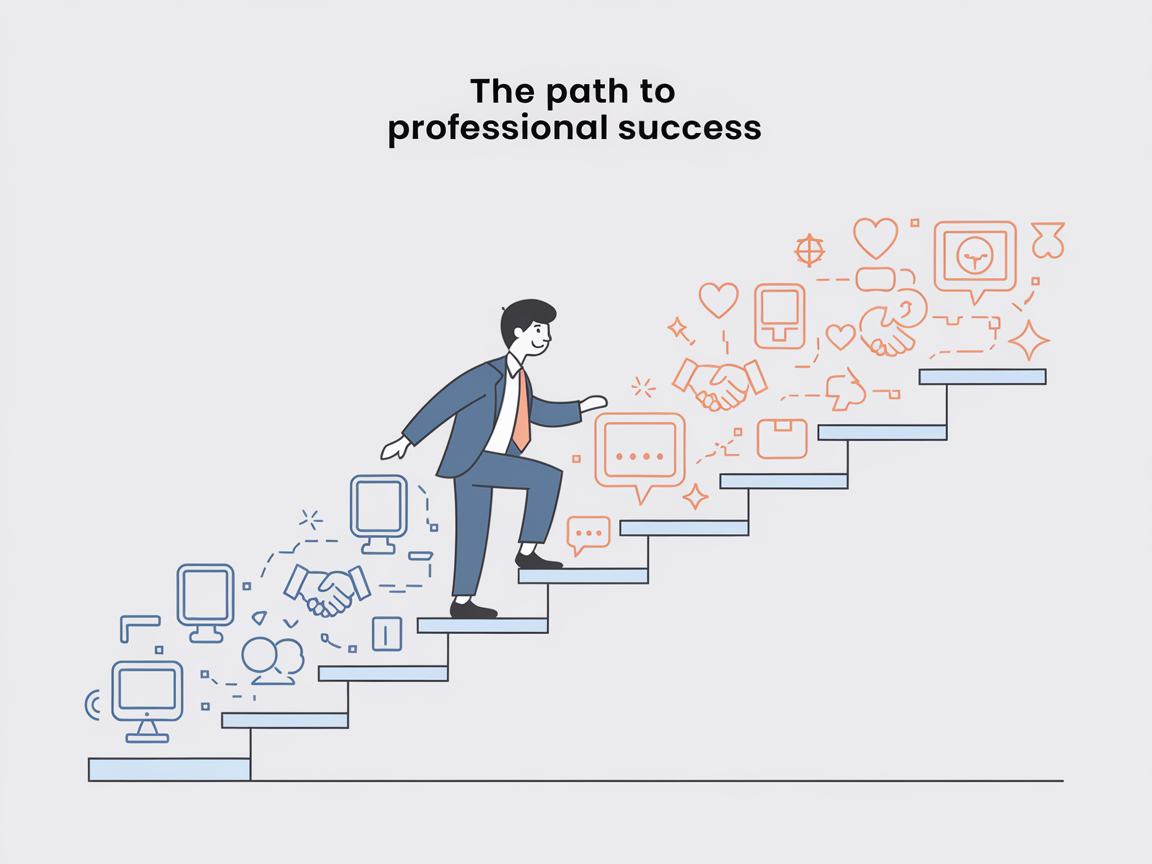
A soft skills training program should focus on the real behaviours employees use at work, like how they communicate, lead, collaborate, handle pressure, solve problems, and influence decisions.
I usually think about it this way: if the skill does not show up in a meeting, a client conversation, a feedback discussion, or a decision-making moment, the training will feel too abstract.
For example, “communication training” should help someone explain a delayed project clearly. “Leadership training” should help a manager guide the team when priorities shift. “Problem-solving training” should help employees structure a messy issue before everyone starts guessing solutions.
A good soft skills training program usually includes:
- Communication training: Helps employees write clearer updates, listen actively, ask better questions, and adapt their message to different audiences.
- Leadership training: Builds ownership, decision-making, feedback skills, and the ability to guide teams through pressure.
- Emotional intelligence training: Helps people read the room, manage reactions, understand others, and handle difficult conversations with maturity.
- Team collaboration training: Improves shared ownership, dependency management, peer communication, and cross-functional teamwork.
- Conflict resolution training: Teaches employees how to listen, reduce tension, clarify the real issue, and move the conversation toward agreement.
- Adaptability training: Builds flexibility, resilience, learning agility, and the ability to adjust when priorities or expectations change.
- Time management training: Helps employees prioritise work, protect focus, plan better, and communicate trade-offs early.
- Structured problem-solving training: Helps teams break down messy issues, find root causes, and build evidence-based recommendations. This connects naturally with MECE thinking.
- Negotiation and stakeholder management training: Helps professionals manage expectations, handle pushback, align interests, and influence without authority.
- Presentation and executive communication training: Teaches employees how to present recommendations clearly, lead with the main point, and support their message with evidence. This is where top-down communication becomes especially useful.
In one corporate workshop, I asked participants to rewrite a vague project update into a clear stakeholder message. The technical content stayed the same, but the room understood the issue faster because the message now explained what changed, why it mattered, and what decision was needed.
That is what strong soft skills training should do.
It should make everyday workplace moments clearer, calmer, and easier to act on.
Core Soft Skills Every Training Program Should Focus On
A soft skills training program becomes stronger when it focuses on the skills people use in real business moments.
For example:
- The meeting where the message needs to land.
- The feedback conversation that needs maturity.
- The cross-functional project that needs ownership.
- The messy problem that needs structure.
Here are some of the core skill groups every program should build.
1. Communication and Interpersonal Skills
Communication sits at the centre of almost every soft skills training program.
People need to explain ideas clearly, write updates that make sense, listen properly, ask better questions, and adjust their message based on the audience. This is where top-down communication becomes useful. It teaches professionals to lead with the main point, then support it with the right evidence.
For example, an employee sharing a project update should avoid a long timeline of everything that happened. A clearer update sounds like this:
“The supplier delay affects next week’s launch. We have two options: move the launch by five days or reduce the first release scope.”
That message gives the room what it needs: what changed, why it matters, and what decision is needed.
I have seen this one skill change meetings quickly.
When communication becomes clearer, people ask better questions, decisions move faster, and fewer things get lost in follow-up.
2. Emotional Intelligence and Empathy
Emotional intelligence helps people understand themselves, read the room, and respond with maturity when pressure rises.
This matters because soft skills are often tested in uncomfortable moments, such as when a stakeholder challenges the recommendation, a team member reacts defensively, a client is frustrated, or a manager needs to deliver difficult feedback.
Training should help employees build:
- Self-awareness
- Empathy
- Emotional control
- Active listening
- The ability to handle difficult conversations
For example, imagine a meeting where two people are clearly frustrated. A manager with strong emotional intelligence does not rush the conversation or ignore the tension. They slow things down and say:
“Let’s separate the timeline issue from the ownership issue so we can solve both properly.”
That one sentence changes the tone of the room.
In training, I like to give participants scenarios where the facts are clear, but the emotions in the room are messy. That is where the learning happens. People practise staying calm, naming the real issue, and moving the discussion forward without making the situation worse.
3. Leadership and Team Collaboration
Leadership and collaboration training should help people create clarity for others.
That includes taking ownership, giving feedback, building trust, facilitating discussions, managing team dynamics, and helping people work across departments.
This matters even more in modern teams because information is scattered across people, tools, meetings, and messages. Atlassian’s State of Teams 2025 found that leaders and teams waste 25% of their time searching for answers, based on a survey of 12,000 knowledge workers and 200 executives.
That is a collaboration problem.
A team lead can reduce that friction by making three things clear:
- Who owns the work
- What needs to happen next
- Where the team can find the latest information
For example, instead of leaving a project meeting with vague agreement, a strong team lead closes with:
“Finance owns the cost review, sales will confirm customer impact, and I will share the updated launch plan by Thursday.”
That is leadership in practice.
It gives the team clarity, reduces duplicated effort, and makes follow-through easier.
4. Structured Problem-Solving and Decision-Making
Structured problem-solving helps teams slow down the rush to conclusions.
When a business problem appears, people often jump straight into opinions. Sales blames pricing, operations blames process, and marketing blames positioning.
The conversation becomes busy before the problem is clear.
A strong training program should teach employees how to break complex problems into parts, find root causes, use logic trees, and make recommendations based on evidence. This is where issue trees become valuable. They help teams organise a broad problem into clear branches so the analysis becomes easier to manage.
For example, if revenue is declining, a team can break the issue into:
- Pricing
- Conversion
- Retention
- Customer segments
- Sales activity
- Market demand
Now the team can test each area instead of guessing.
I have used this approach many times in consulting because it creates discipline in the conversation. People stop debating everything at once. They look at the problem part by part, follow the evidence, and move toward a better decision.
That is what strong soft skills training should build: people who can communicate clearly, read the room, work well with others, and bring structure when the situation feels complex.
Types of Soft Skills Training Methods That Actually Work
Soft skills training works best when people practise real workplace moments.
I learned this early in my career. You can explain a communication model beautifully on a slide, and the room will nod. Then someone faces a difficult client question, a tense feedback conversation, or a messy stakeholder meeting, and the real behaviour shows up.
That is why the method MATTERS.
A strong training method gives employees a realistic situation, a clear behaviour to practise, and feedback they can use immediately. The best programs usually combine several methods because different soft skills need different types of practice.
Role-Playing Exercises
Role-playing helps employees practise difficult conversations before the real pressure arrives.
It works especially well for:
- Feedback conversations
- Conflict resolution
- Negotiation
- Client communication
- Stakeholder pushback
For example, a manager can practise giving feedback to an employee who becomes defensive. The goal is to choose the right words, stay calm, listen properly, and bring the conversation back to the issue.
I like role-play because it reveals things people usually miss about themselves. Someone may think they sound clear, then realise their feedback is too vague. Someone may think they are listening, then notice they are preparing their reply too early.
The best role-plays feel close to real work. Give participants a clear scenario, assign roles, keep the exercise short, and end with specific feedback.
| Activity to try: The 3-Minute Difficult Conversation Drill |
| Choose one realistic workplace scenario, such as giving feedback, handling pushback, or clarifying ownership. One person plays themselves, another person plays the other stakeholder, and the other person observes. Run the conversation for three minutes. Then ask the observer: What sentence created clarity? Where did the conversation become tense? What should the person say differently next time? Repeat the same scenario once more. The second attempt is usually much sharper. |
Business Case Studies
Business case studies place soft skills inside a real business problem.
They are especially useful for:
- Structured problem-solving
- Leadership judgment
- Stakeholder communication
- Decision-making
For example, a team might work through a case where customer churn is rising, budgets are tight, and sales and operations disagree on the cause. Participants need to structure the issue, ask better questions, discuss trade-offs, and present a recommendation.
This method works well because it feels close to corporate pressure. The answer is rarely obvious. People need to think clearly, explain their reasoning, and work with others to reach a decision.
In consulting workshops, I often notice that case studies reveal more than technical thinking. They show who can structure ambiguity, who listens before jumping in, and who can turn messy discussion into a clear next step.
That is where soft skills become practical.
Simulations and Scenario-Based Training
Simulations are useful when employees need to practise soft skills in high-pressure situations.
They work well for:
- Client calls
- Crisis communication
- Leadership decisions
- Difficult stakeholder meetings
- Fast-changing project situations
For example, participants might run a simulated leadership meeting where priorities change halfway through the discussion. The trainer watches how they respond.
Like:
- Do they pause and clarify the new priority?
- Do they keep the team focused?
- Do they communicate the next step clearly?
I like this method because it creates a controlled version of real pressure. People experience the discomfort of changing information, pushback, or uncertainty, then learn how to respond with more structure.
Scenario-based training can happen live, online, or through AI-supported tools. The scenario should feel specific enough for people to recognise it from their own work.
A vague scenario gives vague learning, but a realistic scenario gives people something they can use next week.
Coaching and Feedback Loops
Coaching helps people see how their behaviour lands with others.
This is important because many professionals miss small habits that affect their impact. They over-explain, avoid the main point, and sound uncertain during questions. They give feedback in a way that creates more tension than clarity.
Coaching works well for:
- Leadership development
- Communication style
- Confidence
- Long-term behaviour change
This is where structured feedback becomes powerful.
Inside High Bridge Academy’s Business Excellence Bootcamp, participants work through drills, simulations, and business cases with feedback from former McKinsey, Bain, and BCG faculty. The program has trained 1,000+ professionals, which gives the learning environment a practical, high-performance standard.
The value is a specific correction.
A participant learns where the logic needs tightening, where the message loses clarity, and where their delivery needs more control. Then they try again with a sharper approach.
I have seen professionals improve quickly from this cycle because the feedback is tied to one real moment. It can be one unclear recommendation, one weak opening, or one answer that needs more confidence.
That level of correction makes soft skills easier to build.
Microlearning and Digital Learning
Microlearning works well for busy teams because it focuses on one behaviour at a time.
For example:
- A five-minute module on feedback.
- A short video on active listening.
- A quick exercise before a stakeholder meeting.
- A reflection prompt after a team discussion.
These small learning moments are easy to fit into the workday.
Digital learning also helps companies scale soft skills training across different teams and locations. Employees can learn the concept online, then practise it in a live session, team meeting, or coaching conversation.
The strongest digital programs stay practical. They give people a simple idea, a realistic example, and a small action to apply immediately.
For example, after a short lesson on active listening, employees can use one meeting to practise summarising the other person’s point before responding.
That is how digital learning becomes useful.
How to Build a Soft Skills Training Program Step by Step?
A soft skills training program works best when it starts with a real workplace problem.
I always look for the friction first.
Where are meetings getting stuck? Where are managers losing the team? Where are clients asking the same questions again and again? Where does work slow down because ownership, communication, or decision-making is unclear?
Once you find that pattern, the training becomes much easier to design.
Step 1: Identify the Skill Gap
Start by understanding what is actually happening at work.
A company may say, “Our people need communication training,” but that can mean many different things. Are updates unclear? Are meetings too long? Are managers avoiding difficult feedback? Are teams missing handoffs? Are senior leaders asking for sharper recommendations?
Use a few sources before deciding:
- Manager interviews
- Performance feedback
- 360-degree surveys
- Meeting observations
- Presentation reviews
- Team project debriefs
In one corporate workshop, the client first described the issue as “poor time management.” After reviewing how projects were moving, the real problem was unclear handoffs. Teams did not know who owned the next step, so delays looked like time management issues.
That changed the training focus.
The program needed collaboration, ownership, and communication practices.
| Run a 30-Minute Skill Gap Audit |
| Choose one recent project that slowed down. Ask three questions: Where did the work get stuck? What behaviour caused the delay? Which soft skill would have improved the situation? This gives you a practical starting point for the training. |
Step 2: Choose the Right Soft Skills to Train
Once the gap is clear, choose the skills that match the business problem.
A sales team needs active listening, negotiation, and objection handling. A strategy team needs structured problem-solving and executive communication. A new manager group may need feedback, delegation, and conflict resolution.
Trying to train every soft skill at once makes the program too broad. Choose the few behaviours that will make the biggest difference in daily work.
For example:
- If meetings end without decisions, focus on communication and facilitation.
- If projects slow down between teams, focus on collaboration and ownership.
- If managers avoid hard conversations, focus on feedback and emotional intelligence.
- If recommendations feel unclear, focus on structured problem-solving and presentation skills.
The clearer the skill choice, the stronger the training.
Step 3: Set Behaviour-Based Training Objectives
Good training objectives describe what people should do differently after the program.
Vague objectives create vague training.
“Improve leadership” sounds good, but it does not tell anyone what to practise. A stronger objective would be:
“Managers will run weekly team check-ins with clear priorities, blockers, owners, and next steps.”
That is observable.
You can see whether it happens.
Behaviour-based objectives work better because they connect training to real work. Instead of saying “improve communication,” define the behaviour:
“Employees will write stakeholder updates that explain what changed, why it matters, and what decision is needed.”
Now the trainer knows what to teach, the manager knows what to observe, and the employee knows what to practise.
Step 4: Pick the Right Training Format
Different soft skills need different training formats.
Some skills need live practice, some need coaching, some need business cases, some can start with a short digital module and then move into a real workplace exercise.
Use the format based on the behaviour you want to build.
| Skill | Best Format | Why It Works? |
| Feedback and difficult conversations | Role-play and coaching | People practise the exact words they need in uncomfortable moments. |
| Structured problem-solving | Business cases and team exercises | Participants learn how to break down messy problems and present a recommendation. |
| Executive communication | Live workshops and presentation practice | Employees practise leading with the main point and defending their logic clearly. |
| Collaboration | Team projects and peer practice | People learn how ownership, context, and follow-through affect the group. |
| Adaptability | Simulations and scenario-based training | Participants practise responding when priorities, information, or constraints change. |
| Time management | Microlearning and manager check-ins | Short routines help people prioritise, plan, and communicate trade-offs. |
The format matters because soft skills are built through use.
A lecture can introduce a concept. Practice turns that concept into behaviour.
Step 5: Build Practice Into Daily Work
Soft skills training becomes stronger when people apply it to work they already do.
For example, after a communication workshop, every participant can rewrite one stakeholder update using the framework taught in the session. After a leadership workshop, managers can apply the new check-in structure in their next team meeting.
This keeps the training practical.
It also helps employees see the value quickly because they are improving something already on their desk.
| The One-Meeting Practice Sprint (Try This Today) |
| Choose one soft skill for the week, such as active listening, clearer updates, or better follow-up. Apply it in a real meeting. After the meeting, write down: What did I try? What changed in the conversation? What will I adjust next time? This turns daily work into a training ground. |
Step 6: Reinforce the Skill After Training
Soft skills fade when the workplace stops reinforcing them.
That is why managers play such an important role after the training. They help the behaviour stay active in meetings, reviews, project discussions, and feedback conversations.
Useful reinforcement methods include:
- Manager check-ins
- Peer feedback
- Monthly refreshers
- Short practice challenges
- Team reviews
- Before-and-after presentation reviews
A manager can ask one simple question during a check-in:
“Where did you apply the skill this week?”
That question keeps the learning alive.
It also signals that soft skills matter in real performance, not only during the training session.
When the program follows these steps, soft skills training becomes much more practical. It starts with a real problem, focuses on the right behaviour, gives people a format to practise, and reinforces the skill until it shows up naturally at work.
How to Measure Soft Skills Training Effectiveness
Soft skills training should lead to visible changes in how people work.
Completion rates tell you who attended the session. They do not tell you whether managers are giving better feedback, meetings are clearer, or employees are handling stakeholder conversations with more confidence.
That is why measurement needs to start before the training begins.
I usually recommend taking a baseline first.
Look at how people communicate in meetings, how presentations are structured, how managers handle feedback, and where collaboration breaks down. Then measure the same behaviours again after the training.
The goal is to answer one practical question:
Did people behave differently at work?
This matters because L&D teams are under more pressure to connect learning with career growth, organisational adaptability, and business value. LinkedIn’s 2025 Workplace Learning Report focuses heavily on career development, skills growth, retention, and business impact, which makes measurement a bigger part of the learning conversation.
Metrics to Track
Here are the metrics worth tracking:
- 360-degree feedback scores: Useful for seeing how managers, peers, and direct reports experience someone’s behaviour.
- Manager observations: Helpful for tracking changes in meetings, feedback conversations, and team leadership.
- Peer feedback: Strong for collaboration, communication, ownership, and follow-through.
- Meeting quality: Look at whether meetings have clearer agendas, better discussions, and stronger next steps.
- Presentation clarity: Review whether employees explain the main point, evidence, and recommendations clearly.
- Stakeholder satisfaction: Ask internal or external stakeholders whether communication has become clearer and easier to act on.
- Client feedback: Useful for client-facing teams where communication, trust, and confidence matter.
- Conflict reduction: Track whether repeated misunderstandings, escalations, or ownership disputes decrease.
- Employee engagement: Soft skills can improve how people experience teamwork, feedback, and leadership.
- Promotion readiness: Look at whether employees show stronger communication, judgment, ownership, and leadership behaviours.
- Team productivity: Track whether projects move faster because ownership, communication, and decisions are clearer.
- Training completion and participation: Still useful, especially when combined with behaviour and performance data.
The strongest measurement combines numbers with real examples.
For instance, a manager may score higher in feedback quality after training, but the real proof appears when their team says feedback conversations feel clearer and more useful. A consultant may complete presentation training, but the real improvement appears when their recommendation lands faster with a senior client.
Behaviour-Based Measurement Examples
Use this table to connect soft skills with observable behaviour:
| Soft Skill | What to Observe? | How to Measure It? |
| Communication | Does the person explain the main point clearly? | Presentation reviews, manager feedback, stakeholder surveys |
| Collaboration | Does the person share context early and involve the right people? | Peer feedback, project debriefs, team reviews |
| Leadership | Does the person clarify priorities, blockers, owners, and next steps? | Team feedback, manager observation, 360-degree reviews |
| Emotional intelligence | Does the person stay calm, listen well, and handle tension maturely? | Role-play assessment, peer feedback, manager notes |
| Conflict resolution | Does the person separate the real issue from the emotion in the room? | Scenario practice, manager observation, conflict tracking |
| Structured problem-solving | Does the person break a messy problem into clear parts? | Case exercises, presentation reviews, quality of recommendations |
| Stakeholder management | Does the person handle pushback and align people around a decision? | Stakeholder feedback, meeting reviews, client feedback |
| Adaptability | Does the person adjust clearly when priorities or information change? | Simulation exercises, project reviews, manager check-ins |
A simple 30, 60, and 90-day review works well here.
- At 30 days, check whether people remember and use the framework.
- At 60 days, review whether the behaviour appears in real meetings or projects.
- At 90 days, look for business impact: clearer decisions, better collaboration, stronger presentations, fewer repeated issues, or higher stakeholder confidence.
That gives soft skills training a much stronger measurement story.
You are no longer asking, “Did people attend?”
You are asking, “Did the way they work actually improve?”
5 Common Challenges in Soft Skills Training and How to Fix Them
Soft skills training sounds simple until you try to make the learning stick across a real team.
People bring different habits, confidence levels, communication styles, and workplace pressures into the room. A training session may be well-designed, but the results depend on how closely it connects to daily work.
I have seen the same challenges appear across corporate teams. The good news is that most of them can be fixed with better design, clearer examples, and stronger follow-up.
Challenge 1: Employees Think They Already Have the Skill
Many people overestimate how clearly they communicate.
They may feel confident in their updates, listening, or leadership style, but the gap becomes visible when you review a real email, watch a presentation, or observe how a meeting actually runs.
For example, someone may say they communicate clearly, yet their project update never explains the decision needed. A manager may believe they give good feedback, yet the employee leaves the conversation unsure what to change.
How to fix it:
Use real workplace examples instead of abstract discussion.
- Review actual meeting notes
- Rewrite unclear emails
- Record short presentations
- Use role-play exercises
- Ask peers to give behaviour-based feedback
When people see their own habits in action, the need for training becomes much easier to understand.
Challenge 2: Training Feels Too Generic
Generic training loses people quickly.
A finance team, a sales team, and a group of new managers will not respond to the same examples in the same way. Their pressure points are different. Their conversations are different. Their stakeholders are different.
This is why soft skills training needs a role-specific context.
A sales team needs practice handling objections. A project team needs clearer ownership and handoffs. A leadership team needs stronger decision-making conversations.
How to fix it:
Build the training around situations employees recognise from their own work.
- Use role-specific scenarios
- Add real business cases
- Include team-specific challenges
- Ask managers where communication breaks down
- Turn common workplace issues into practice exercises
The closer the training feels to daily work, the more seriously people take it.
Challenge 3: Managers Do Not Reinforce the Behaviour
Soft skills fade quickly when managers treat training as a one-time event.
Employees may learn a better way to give updates, handle feedback, or manage conflict during the session. Then they return to the same meetings, same routines, and same expectations.
The behaviour needs support after training.
How to fix it:
Give managers simple tools they can use during normal work.
- Checklists for meetings
- Follow-up prompts
- Feedback templates
- Monthly refreshers
- Short team practice exercises
For example, after communication training, a manager can ask during check-ins:
“Did your update explain what changed, why it matters, and what decision is needed?”
That one question keeps the skill active.
Challenge 4: Remote Training Feels Passive
Remote soft skills training needs careful facilitation.
Long lectures lose attention quickly, role-play feels awkward without clear instructions, and group energy drops when people stay silent behind screens.
The format needs more interaction and a tighter structure.
How to fix it:
Design remote sessions with participation built in.
- Use smaller groups
- Give written prompts
- Keep exercises short
- Use breakout rooms
- Add live practice
- Include quick feedback rounds
For example, instead of a long lecture on conflict resolution, give participants a short framework, a realistic scenario, and five minutes to practise in pairs. Then bring them back to discuss which phrases helped the conversation move forward.
Challenge 5: Success Is Hard to Measure
Soft skills are behaviour-based, so measurement needs more than attendance numbers.
A completed workshop tells you who joined the session. It does not show whether someone communicates more clearly, handles conflict better, or leads meetings with a stronger structure.
How to fix it:
Measure behaviour before and after the training.
- Use behaviour rubrics
- Run 360-degree feedback
- Compare before-and-after presentations
- Review manager observations
- Track team project debriefs
- Use role-play assessments
For example, if the training focuses on executive communication, measure whether employees now lead with the main point, explain the evidence clearly, and end with a specific recommendation.
That gives the company a clearer view of progress.
Soft skills training works better when the challenges are addressed from the start. Make the gap visible, connect the training to real work, involve managers, design for the delivery format, and measure the behaviours that matter.
Soft Skills Training for Different Audiences
Soft skills training works best when it matches the people taking the training.
Employees, managers, leaders, and remote teams use soft skills in different situations. A good program reflects their real pressure points instead of giving everyone the same generic exercises.
When I design soft skills training, I start with one question:
“Where does this group need to perform better in daily work?”
That answer shapes the training.
Soft Skills Training for Employees
For employees, soft skills training focuses on the daily behaviours that make work clearer, smoother, and easier to complete.
The most important areas include:
- Communication
- Collaboration
- Time management
- Feedback
- Adaptability
Employees need practical exercises that improve the work they already do. For example, they can rewrite a project update, practise asking clearer questions in meetings, or learn how to flag a delay before it becomes a bigger issue.
A strong employee training session gives people tools they can use the same week.
Soft Skills Training for Managers
Managers need soft skills training because their behaviour affects the entire team.
They set priorities, give feedback, manage conflict, coach employees, and help people stay focused when pressure increases. A manager who communicates clearly gives the team confidence, direction, and structure.
The most important areas include:
- Leadership
- Feedback
- Conflict resolution
- Prioritisation
- Coaching
For example, a manager needs to explain which projects matter most, give feedback when expectations are missed, and resolve tension between team members without creating more confusion.
Training gives managers language, structure, and practice for those exact moments.
Soft Skills Training for Leaders
Leaders use soft skills at a strategic level.
Their communication shapes confidence, alignment, and decision-making across larger groups. They need to explain direction clearly, influence stakeholders, handle uncertainty, and guide people through change.
The most important areas include:
- Executive communication
- Decision-making
- Stakeholder influence
- Emotional intelligence
- Change leadership
For example, a leader needs to explain why priorities are changing, align departments around the next decision, and communicate difficult messages with clarity and control.
At this level, training focuses on judgment, presence, influence, and trust.
Soft Skills Training for Remote Teams
Remote teams need strong soft skills because small communication gaps create bigger delays when people are working across locations and tools.
The most important areas include:
- Written communication
- Meeting discipline
- Trust-building
- Collaboration routines
- Ownership and next-step clarity
For example, a remote team needs clearer written updates, better meeting summaries, and stronger habits around owners, deadlines, and next steps.
Good remote soft skills training improves the messages, meetings, and handoffs the team uses every week. The audience matters because soft skills show up differently at every level. The closer the training matches the role, the faster people apply it in real work.
Best Practices for Making Soft Skills Training Stick
Soft skills training sticks when it feels connected to real work.
The best training improves the meeting, the conversation, the presentation, or the decision sitting in front of the employee. That is where behaviour changes.
Use these best practices:
- Start with one or two priority skills: Focus on the behaviours causing the most friction, such as unclear updates, weak feedback, poor handoffs, or slow decisions.
- Use real workplace scenarios: Build exercises around actual emails, meetings, project delays, client calls, stakeholder pushback, and team discussions.
- Keep sessions interactive: Use role-play, business cases, simulations, peer practice, and short debriefs instead of long lectures.
- Make managers part of reinforcement: Give managers simple prompts they can use in check-ins, team meetings, and project reviews.
- Build feedback into the program: Participants need specific corrections on what to say, what to change, and what to practise again.
- Use short refreshers after the workshop: A 10-minute practice challenge keeps the skill active after the session ends.
- Measure behaviour, not only attendance: Track clearer presentations, better meetings, stronger ownership, improved feedback quality, and stronger stakeholder communication.
- Connect training to business goals: Link the skill to faster decisions, better collaboration, stronger client communication, and improved leadership.
Final Thoughts: Soft Skills Training Works When Behaviour Changes
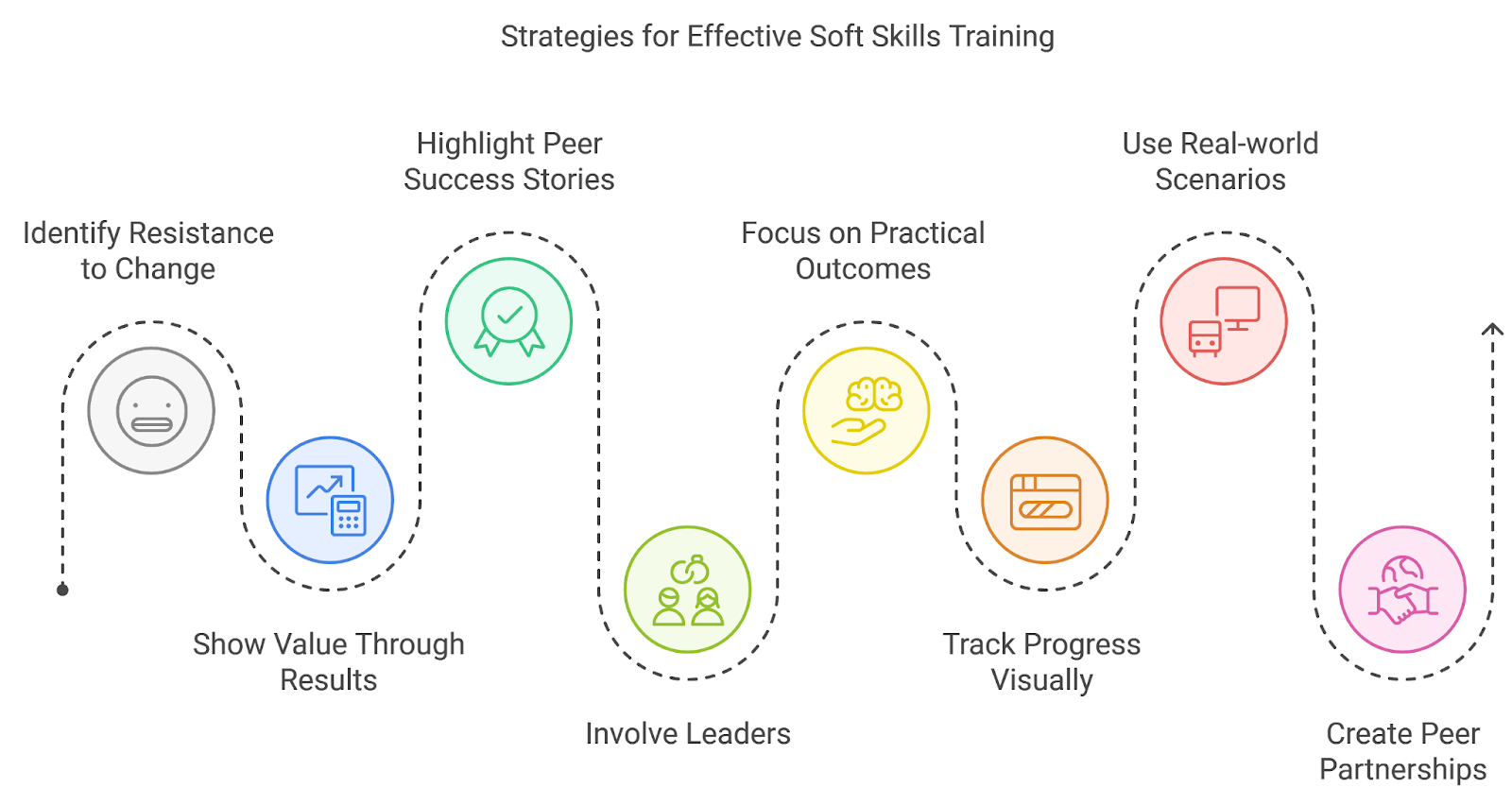
Soft skills training earns its value when people use the skill in real work: a sharper meeting update, a calmer feedback conversation, a cleaner recommendation, or a faster decision.
That level of change comes from repeated practice, direct feedback, manager reinforcement, and measurement tied to observable behaviour.
For teams that want to build these habits in a structured way, High Bridge Academy’s Business Excellence Bootcamp brings together ex-McKinsey, Bain, and BCG faculty, practical drills, simulations, and direct feedback. The program has trained 1,000+ professionals across different business modules.
Book a free consultation with High Bridge Academy to explore training options that improve communication, leadership, structured problem-solving, and workplace performance.
FAQs About Soft Skills Training
It usually includes communication practice, leadership development, emotional intelligence exercises, role-play, case studies, coaching, feedback, and real workplace application.
Use 360-degree feedback, manager observations, peer feedback, presentation reviews, role-play assessments, client feedback, and before-and-after behaviour rubrics.
A single workshop can introduce a skill, but lasting improvement usually needs repeated practice, feedback, and workplace reinforcement over several weeks or months.
Yes. Online soft skills training works well when sessions are interactive, scenario-based, and supported by breakout practice, written prompts, coaching, and feedback.
They fail when they stay too generic, rely on one-off workshops, lack manager reinforcement, skip real practice, or measure only attendance instead of behaviour change.